
Farm Equipment Safety Tips for Spring
Farm Equipment Safety Tips for Spring
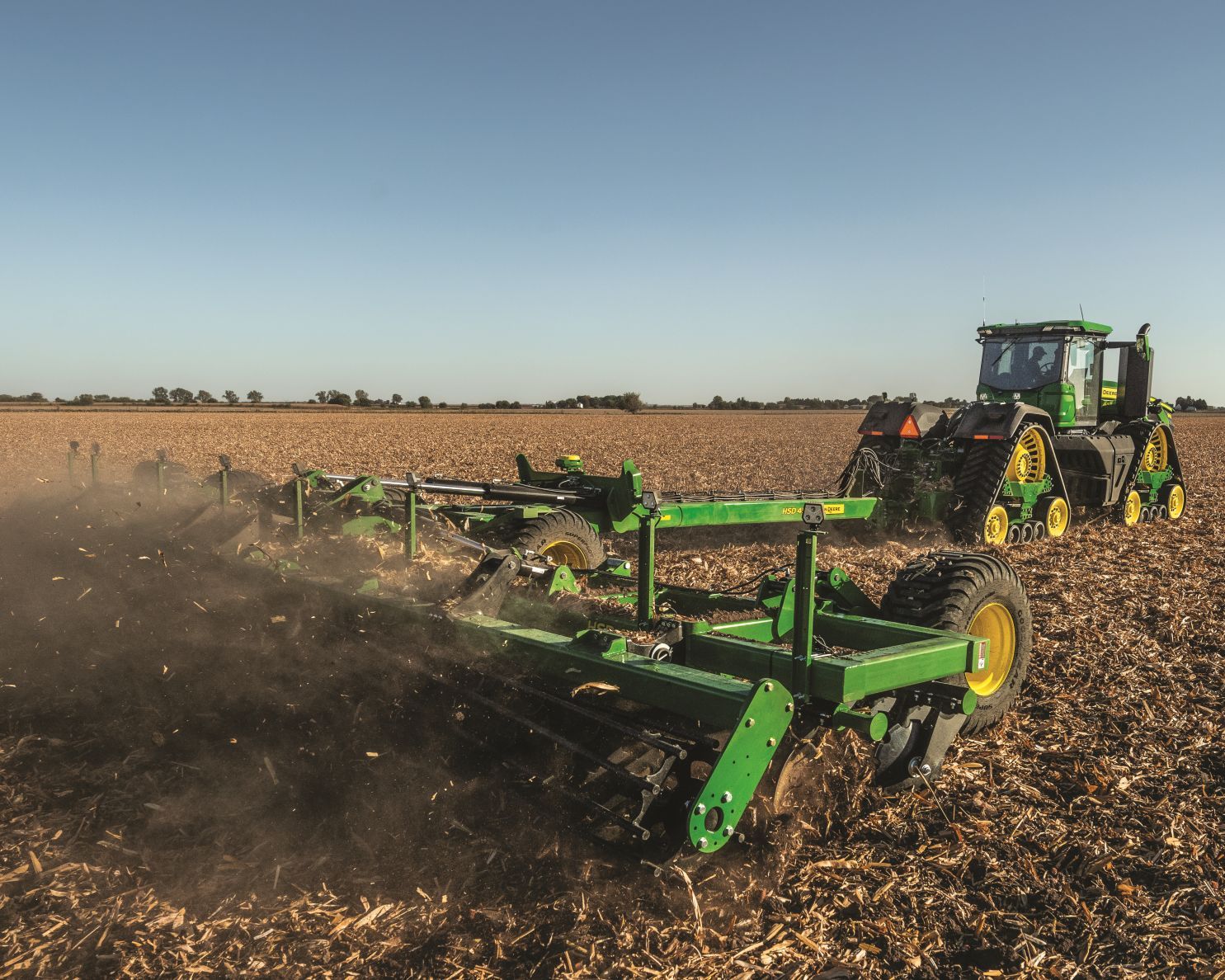
Spring is a time of renewal on the farm. As the fields come alive, it’s crucial for farmers to ensure their equipment is in top shape and that safety protocols are followed. With the hustle and bustle of planting season, safety can sometimes take a back seat. However, keeping safety at the forefront is essential for preventing accidents and ensuring a productive season. Here are some vital tips for farm equipment safety this spring.
1. Inspect Your Equipment
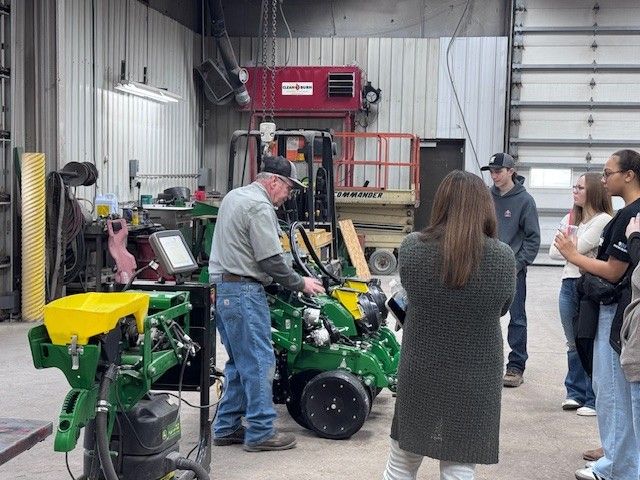
Before you start using any machinery, conduct a thorough inspection. Look for any signs of wear and tear, including leaks, worn belts, rust, or loose parts. Check that all safety features, such as guards and emergency shut-off switches, are functioning correctly. It’s advisable to refer to the manufacturer's manual for specific pre-operation checks.
The team at Castongia Tractor can assist with your pre-season checks in our shops and on the farm. Learn more about our service
inspections and
schedule your appointment online.
2. Keep a Clean Work Area
A cluttered work area can lead to accidents. Make sure that all tools, equipment, and debris are stored properly. Clear pathways to ensure easy movement around the workspace. Organize your tools and equipment in a way that minimizes tripping hazards. You should also keep your cab clean when you’re out of the shop and in the field! A cluttered cab can also be a hazard.
3. Wear Proper Safety Gear
Always wear appropriate personal protective equipment (PPE) when operating farm machinery. This includes sturdy boots, gloves, helmets, and eye protection. Depending on the equipment being used, you may also need ear protection to guard against noise-related hearing loss.
4. Stay Hydrated and Take Breaks
Spring can bring long hours as farmers try to complete planting and other tasks. It’s essential to stay hydrated and to take regular breaks to avoid fatigue. Tired workers are more prone to making mistakes, which can lead to accidents. As the season progresses, hydration will also be key in warmer weather to avoid heat-related illnesses.
5. Train and Educate All Operators
Make sure that anyone who operates farm equipment is adequately trained and understands the safety protocols. This includes recognizing the specific hazards associated with the machinery they will be using and knowing how to respond in case of an emergency.
6. Implement a Lockout/Tagout Procedure
For maintenance and repairs, always follow the lockout/tagout procedures. This ensures that the machinery is turned off and cannot be started while someone is working on it. Properly labeling machines that are under maintenance is vital to prevent accidental usage.
7. Check for Ground Conditions
As you move equipment in and out of fields, be mindful of the ground conditions. Wet or uneven terrain can lead to tipping or slipping. Always assess the conditions before operating heavy machinery in those areas.
8. Be Aware of Surroundings
When operating large equipment, be aware of your surroundings, including other workers, livestock, and fences. Use mirrors and look around frequently to avoid collisions. If possible, use a spotter when maneuvering large machines in tight spaces.
Newer technologies can also help with this. Field boundaries and equipment sensors can enhance your knowledge of what’s around you and what obstacles are in the field.
9. Follow Manufacturer Guidelines
Always refer to your equipment’s operator manual for specific safety tips, operating procedures, and maintenance guidelines. Each piece of equipment may have unique requirements, and guidelines should be followed for optimal safety and performance.
10. Create a Safety Culture
Encourage a culture of safety on the farm. Regularly discuss safety topics during team meetings and encourage everyone to voice concerns. Making safety a shared priority helps ensure that everyone is collectively responsible for creating a safer working environment.
Spring is a busy season for farmers, but prioritizing safety can prevent accidents and ensure a successful planting season. By following these tips and fostering a culture of safety, farmers can protect themselves, their workers, and their valuable equipment.
The entire team at Castongia Tractor wishes you a safe and successful season! You can always contact our Northwest Indiana
locations for additional information and assistance. We proudly serve farmers in Fowler, DeMotte, Rensselaer, and Valparaiso by providing equipment sales, service, and parts.